BTS, Grammys, Asian American Advocacy and the Fight for Global Viewership
A few years ago, during a conversation about the representation of Asian Americans in the U.S. entertainment industry, a non-Asian colleague casually responded with, “Well, there’s Kurosawa.”
Akira Kurosawa was a Japanese film director. Jon M. Chu is an Asian American film director. The conflation of Asian and Asian American identity is a complicated topic, even for Asian Americans, varying greatly by generation; immigrants might feel closer to their country of origin, whereas first-, second- and third-generation Americans (and later) might identify more as Asian American, Japanese American, Korean American, etc., or in some cases, just American.
BTS’s decision this week to decline submitting their album ARIRANG for Grammy consideration reminded me of this complexity. There were Asian Americans who had worked hard to help create the controversial “Best Asian Pop Music Performance” category1, seemingly in line with the Asian American advocacy framework which has historically sought inclusivity and equity within U.S. institutions traditionally dominated by white leadership. (The pan-Asian “Asian American” term was created in 1968 in the context of collective political action.2)
To advance equity, some U.S. institutions created targeted pathways which functioned as de facto separate lanes: race-conscious admission processes, scholarships, category-based recognition and more. The lanes made sense when access was blocked or limited.
However, these same lanes could become barriers if they harden into permanent structures, keeping the population compartmentalized. As a young student, I remember feeling both grateful and conflicted when I was offered a race-based scholarship, grateful for the opportunity but conflicted because it didn’t quite feel like integration.
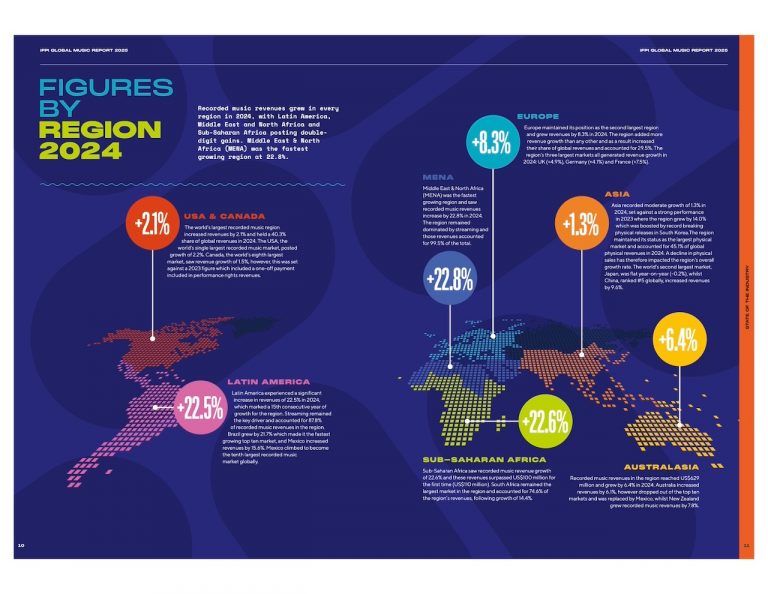
The needs of Asian artists who have already reached global status without special recognition from U.S. institutions are very different. Internationally, we are in the transnational market-driven system, facilitated by online media activity which crosses borders at lightning speed.
The Grammy Awards were a powerful U.S.-centric award platform, serving as a default global standard until the early 2000s. Today, in a decentralized, post-major-label world, and facing serious viewership decline,3 the platform is being reconfigured as a global media product under extreme financial pressure. The new contract binds the Grammys in an unprecedented 10-year global deal for it to be exclusively simulcast on ABC, Hulu, and Disney+ beginning in 2027.4 In order to reach global audiences, the broadcasters will need relevant content. That means programming and categories that reflect non-U.S. markets and artists who already command global attention. The creation of the ill-defined “Best Asian Pop Music Performance” category would have benefited from professionals with a stronger grasp of today’s global landscape.
What happens when non-U.S. artists command larger global streaming numbers and stadium tours than many domestic nominees? BTS declining to submit their album for Grammy consideration can be a moment for us to look at where we are today and how far we’ve come. It’s a celebration of artists finding different paths towards global reach.
- Five new categories and rule updates take effect for 2027 Grammys® | Grammy. (2026, June 16). Grammy. https://www.grammy.com/news/2027-grammys-new-categories-rule-updates/ ↩︎
- Kambhampaty, A. P. (2026, May 11). In 1968, these activists coined the term ’Asian American’—And helped shape decades of advocacy. TIME. https://time.com/5837805/asian-american-history/ ↩︎
- Koblin, J. (2026, February 4). Grammy Awards audience declines by a million viewers. The New York Times. https://www.nytimes.com/2026/02/03/business/media/grammy-awards-ratings-audience.html ↩︎
- DISNEY TO BECOME NEW HOME OF THE GRAMMYS® UNDER 10-YEAR GLOBAL DEAL WITH THE RECORDING ACADEMY® | Grammy. (2024, November 20). Grammy. https://www.grammy.com/news/disney-to-become-home-of-the-grammys-10-year-global-deal/ ↩︎