I Uploaded My Music into AI Music Generator Suno and This is What Happened
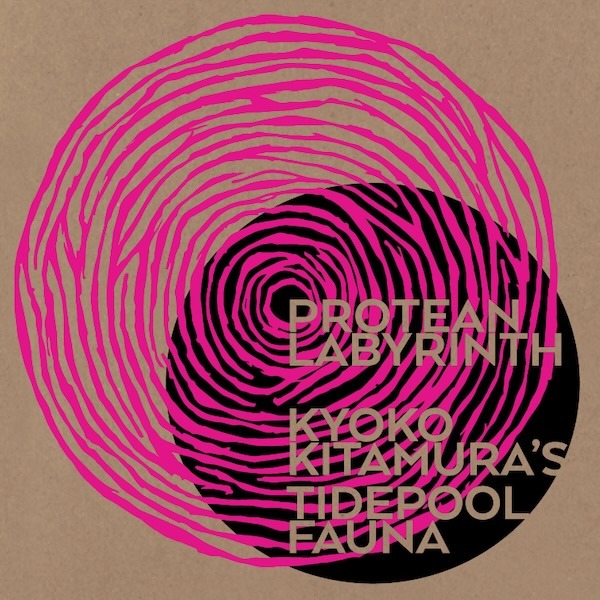
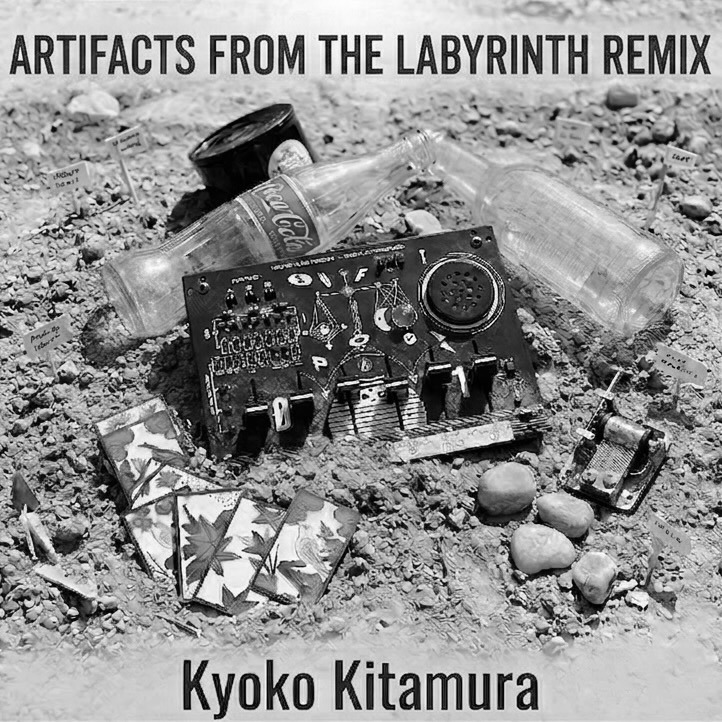
For Phase Two of my recent project Artifacts from the Labyrinth, I uploaded tracks from the EP to the AI music generator Suno to create cover versions. The results were devastatingly convincing and extremely disturbing. The new mixes are compiled in my Soundcloud playlist but if you just want the highlights, listen to the Japanese Male Idol version and the Math Rock version. Had I heard these tracks in a supermarket or as phone hold music, I wouldn’t have given them a second thought. I also would never have connected them to my own music, even though my work spawned these alien offspring (original tracks are at the bottom of the playlist for comparison). (Phase Three, the reactions from listeners available here.)
Before you start on the bad sound quality and the formulaic riffs, compare the Suno results to pre-Suno Google MusicLM (currently called MusicFX) for which I was an early tester. The samples below were collected in May 2023 (Suno launched in December 2023).
It took less than three years for AI music generators to go from an experimental sideshow of quirky snippets to the powerhouse tool of today. Suno’s current valuation is $2.45 billion.1 Music is an audible manifestation of technological progress. This is what disruption sounds like.
Why I chose Suno over Udio and Mureka is detailed in the “description” section of the Soundcloud playlist. In a nutshell, among the major AI music generators which have been going through some version of “being sued” “reaches an agreement” “new licensing deal” loop, Suno remains defiant and unapologetic about their training data despite their new deal with Warner Music Group, allowing users to download their creations. Music streaming platform Deezer recently reported that “of the now-60,000 fully AI-generated tracks delivered to the service daily… the ‘vast majority’ are flagged as being created with Suno specifically.”2
Many professionals have already incorporated Suno into their workflow, most notably Timbaland, Suno’s strategic advisor. The Reddit community dedicated to Suno frequently discusses ways professionals can use the platform to improve work efficiency. For others, the reasons they gravitate to Suno seems to be varied, from bedroom artists who like to share their creations to those who use it as therapy. There is a strong social media aspect of follows, likes and comments. (It’s also now very easy to turn these Suno tracks into scores, although their accuracy is far from usable. But we’ll get to that later.)
My immediate reactions to hearing how Suno manipulated my tracks were the following:
- If I hear Suno remixes, I won’t know it’s mine. Do I have any ownership of this? None of the instruments are mine and many of the compositional ideas are no longer mine. Where does ownership end and begin?
- These remixes are good enough for utilitarian music (e.g., phone hold music, supermarket music, exercise music), if not more. It makes me wonder how much of this process is already embedded into commercial music creation and how much human creation it can replace. (And does it even matter?)
- Relating to the above, and following Robert Zajonc’s Mere Effect observations and its extrapolation that a factor in likeability of music is the frequency of exposure, are we now training an entire population to like this form of hybrid music? Not saying it’s a bad thing, just observing.
- As music creators embrace AI, and as AI music generation platforms continue to train on existing music, it will eventually be using more of the data they created (synthetic data) as training material. Evidence suggests that training on synthetic data degrades quality, leading to various degrees of model collapse. How will this affect AI music generation models?
- Someone must be being paid. But who? Is Suno profitable? What about the data Suno trained on, and the unnamed musicians who created the music and sounds?
All that said, I also realize that Suno will have very little effect on me as a musician. Suno and its offspring reside in cyberspace where big commercial artists play. I am neither big nor commercial. I work in a very niche area of an already niche field. My major interaction with listeners is through live performances and workshops. Offline community is everything. Even if I’m practicing alone at home, it’s so that I can be better when I’m with others. It’s true that some of my music is on major streaming platforms but it gets very little plays and is inconsequential in terms of revenue. The split between the recording industry, constantly being reshaped by technology including AI, and the live performance scene pursuing authenticity, will only grow larger.
In fact, Rolling Stone writes that “the undeniable capabilities of AI music generators have been reflected on the charts only via a counterreaction”, indicating that some major artists are returning to using old instruments and live recordings to find things AI cannot do.3 Grassroots music events are as ubiquitous as ever. Music, at its heart, remains a communal activity, bringing together real people and creating real social bonds.
Yet, someone is making money off this technology while very few of the artists who created the original music on which the models were trained were compensated. And now, it’s easier than ever to generate actual scores from the Suno creations, which can then be claimed as someone’s work and revenue stream. This raises even more questions about copyright and ownership.
One such platform which generates scores from audio is Klang.io. which has a blog post kindly explaining how to “Turn Suno into Notes – How to automatically convert AI generated songs into sheet music.” The result was terrible (photos below). But given how quickly AI evolves, I think it’s safe to say that it will soon be indistinguishable from the real thing, whatever “real” may mean in the future.
Surprisingly, this little experiment led me to rethink Suno’s role in music. I know that this is a toxic topic and many musicians are very anti-AI, for good reason. But that wasn’t my takeaway. There is a community of music lovers who have bonded through this technology, and that didn’t seem like a bad thing. And haven’t we seen this movie before? Napster. iTunes. Spotify. Major labels trying to push back but ultimately signing deals. Independent artist being left out in the cold. Here’s to the future of the music industry.
(On the left, my original score; on the right, the score Klang.io. generated from the Suno cover)


- Suno. (2026, February 5). Suno. https://suno.com/blog/series-c-announcement ↩︎
- Robinson, K. (2026, March 12). Is Suno the Music Industry’s Biggest Nightmare — or Greatest Hope? Billboard. https://www.billboard.com/pro/suno-ai-music-startup-cover-story/ ↩︎
- Hiatt, B. (2025, April 8). Timbaland’s AI reinvention: ‘God presented this tool to me.’ Rolling Stone. https://www.rollingstone.com/music/music-features/timbaland-ai-artificial-intelligence-suno-music-1235297689/ ↩︎